
What Is a Mobile Planetarium?
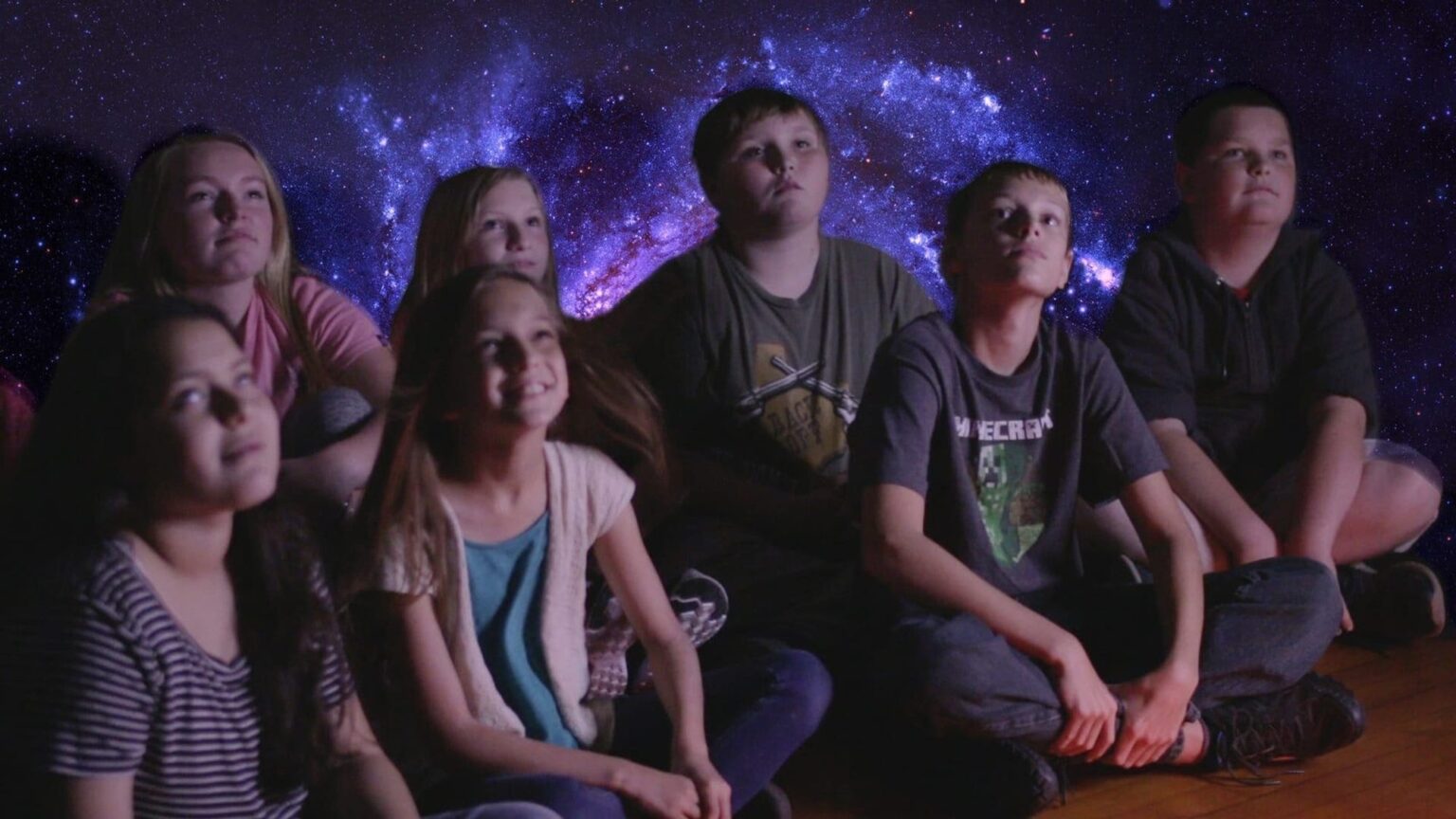
A mobile planetarium is a full planetarium — dome, digital projection, live educator — that comes to you and sets up in your gym. Your students get the field trip. Nobody gets on a bus.
What shows up at your school
We arrive about 30 minutes before your first session with everything in a few cases: a 20-foot walk-in dome, a digital projection system, and a presenter who runs every session live. The dome inflates, the lights go down, and your gym holds the night sky.
Inside, students sit under a 360° projection of stars, planets, and galaxies. It’s fully digital — we can fly to Jupiter, speed up the sunset, or roll the sky forward six months. The presenter demonstrates age-appropriate astronomy concepts and takes questions the whole way through.
Who it’s for
We run sessions for pre-K through high school, and every group gets a lesson targeted to its age. Kindergartners might learn why the sun rises and sets. Eighth graders might tour exoplanets. We bring 20+ NGSS-aligned lessons, and teachers pick what fits their curriculum.
Schools are most of what we do, but the dome also visits libraries, summer camps, and evening events.
What your school has to do
Almost nothing — that’s the point. You need a space about 20×20 feet with a 12-foot ceiling (the gym works at nearly every school), and staff to walk groups down. We set up, run every session, and tear down. We’re typically packed out 30 minutes after the last group leaves.
Each session runs 30 minutes and holds about 50 students, so a full day reaches up to 600 kids. Your bell schedule runs the show — groups rotate through the way an assembly or specials block would.
A session, minute by minute
A group of about 50 walks in and finds a seat. The dome darkens, and the presenter brings up tonight’s sky — the real one, as it’ll look over your town after dinner. From there the lesson takes over: maybe the group watches the sun set in fast-forward and the constellations come out, maybe they leave Earth entirely and look back at it. Questions get answered as they come. Thirty minutes later the lights come up, the group files out, and the next one files in 5–10 minutes behind them.
Do that 4 times and you’ve covered about 200 students (a half day). Do it up to 12 times and you’ve covered as many as 600 (a full day).
Is it a “real” planetarium?
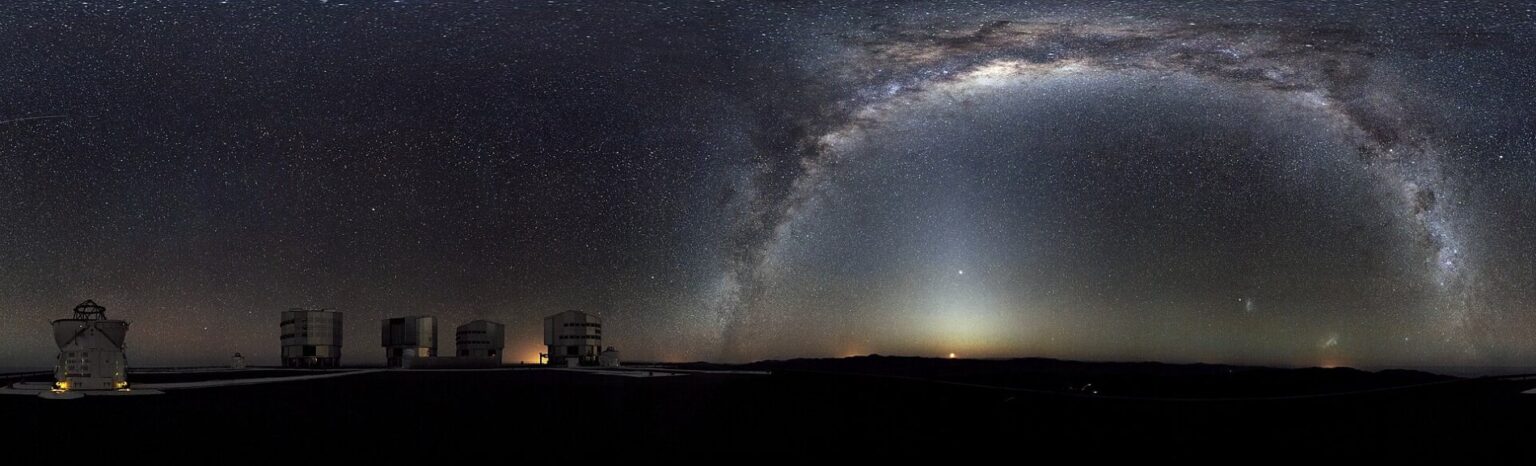
Yes. Same technology a fixed planetarium uses, in a dome your students walk into (no crawling through a tunnel — that was the 1990s version), wheelchair accessible, with a live human presenting instead of a recorded show. Several of the presenters’ favorite moments happen when a kid asks a question and the answer becomes the lesson.
“Such a cool experience for our students!” — Rita Tameling, Principal, Lombard IL
What it costs
A half day (up to 4 sessions) is $999. A full day (up to 12 sessions) is $1,499. Setup, teardown, equipment, and the live presenter are included, and travel is included within 50 miles of Chicago. Full pricing is here.
Prices shown are as of September 2025.
Want to see it in action? There’s a 90-second video on our homepage — sound on. When you’re ready, Launch Your Mission and we’ll get your date held.