
Why Constellation Myths Are Our Most Requested Lesson
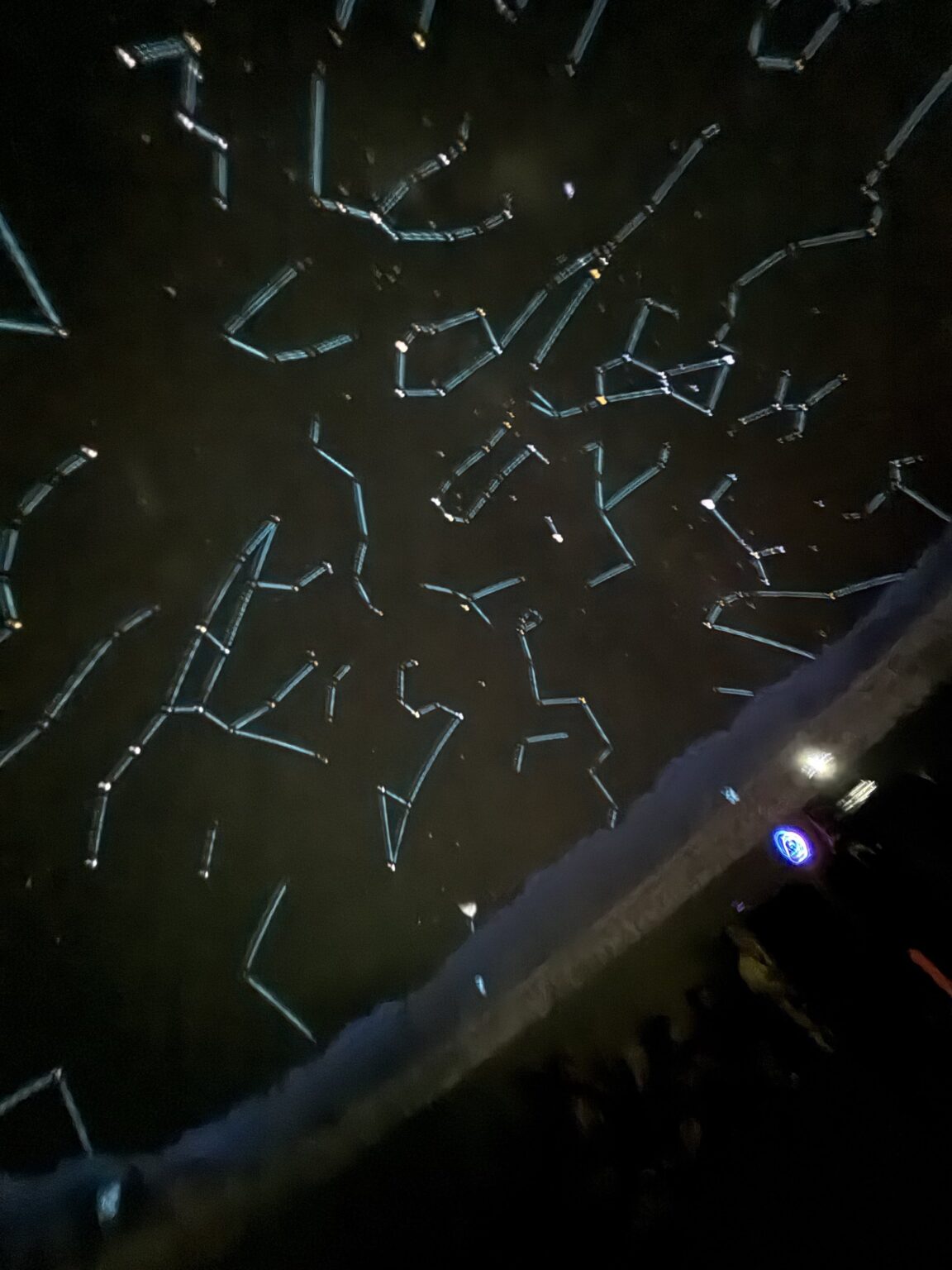
Of our 20+ lessons, one gets booked more than any other: Constellation Myths. Teachers pick it for a simple reason — stories are how humans remembered the sky for thousands of years, and they’re still how kids remember it today.
The sky is a story machine
Point at seven stars and say “that’s the Big Dipper,” and a student nods. Tell them those stars are part of a great bear, and that people on different continents — who never met — looked at that same bear-shape and told their own stories about how it got there, and now you have a room full of hands in the air.
Inside the dome, we draw the figures right over the stars. Orion goes from three dots in a row to a hunter with a belt and a sword. The room can see exactly what ancient sky-watchers saw, minus the streetlights.
One sky, many cultures
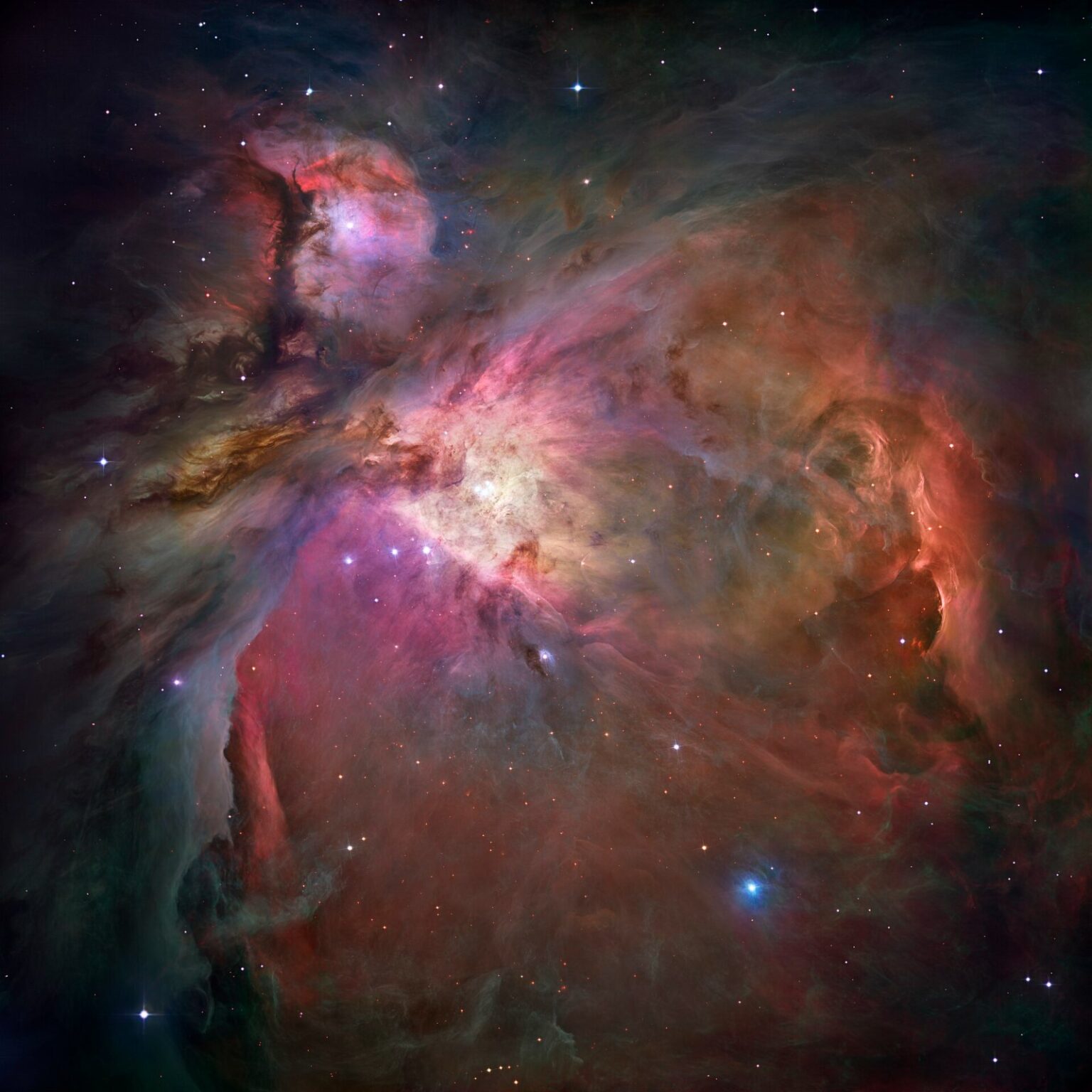
The best part of the lesson is comparative: the same stars carry different stories in Greek, Indigenous, Asian, and African traditions. Students hear how different cultures explained the same lights — which quietly demonstrates that science and storytelling both start with people noticing patterns and asking why. For a lot of classes, it doubles as the year’s best social studies crossover.
It scales by grade
Pre-K and early elementary get the stories big and theatrical. Upper elementary starts mapping — using constellations to find north, tracking how the sky turns through a night and a year. Older students get the astronomy underneath: why constellations are temporary, what a star pattern looks like from a different angle in the galaxy, and why the zodiac drifts. Same lesson title, twelve different sessions.
It sticks
Teachers tell us students come back from the dome recognizing constellations out their bedroom windows — which is the whole game. A kid who can find Orion in January owns a piece of the sky, and owning one piece is how astronomers get made.
“Such a cool experience for our students!” — Rita Tameling, Principal, Lombard IL
Constellation Myths is one of 20+ NGSS-aligned lessons we bring to every visit — see the rest on our Lessons page. To put the bear, the hunter, and 600 of your students under one sky, Launch Your Mission.