
Notes from inside the dome
Space facts, screen-free activity ideas, and answers to the questions kids actually ask.
The Camp Field Trip That Comes to You
Live sessions or full-dome films, no buses, and an indoor plan for the 98° day.
How Much Does a Mobile Planetarium Cost?
Straight pricing: $999 half day, $1,499 full day, everything included — and what that works out to per student.
What “NGSS-Aligned” Means Inside Our Planetarium
What standards alignment means in practice, and how 20+ live lessons map to the grades your teachers teach.
A Planetarium for Your Library Program
Two live dome sessions for $749. Summer reading tie-ins, all-ages crowds, and a Saturday with a line.
How 600 Students See the Stars in One School Day
Groups of 50, live 30-minute sessions, your bell schedule in charge — how a whole school gets through in a day.
Host a Family Astronomy Night Your School Talks About All Year
How PTOs and principals turn family STEM night into an event people actually show up for.
This Isn’t the Planetarium You Crawled Into in 1995
Walk-in door, wheelchair accessible, fully digital, live educator. What changed since the crawl-tunnel era.
How Booking Works: POs, Paperwork, and Picking a Date
Purchase orders, W-9s, CPS, insurance, and picking a date — the whole booking process end to end.
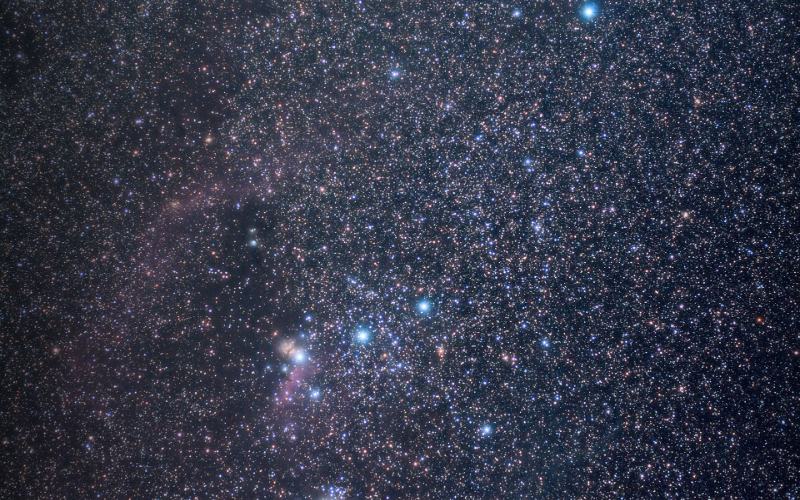
Why Constellation Myths Are Our Most Requested Lesson
Our most-booked lesson, and why stories are still how kids remember the sky.
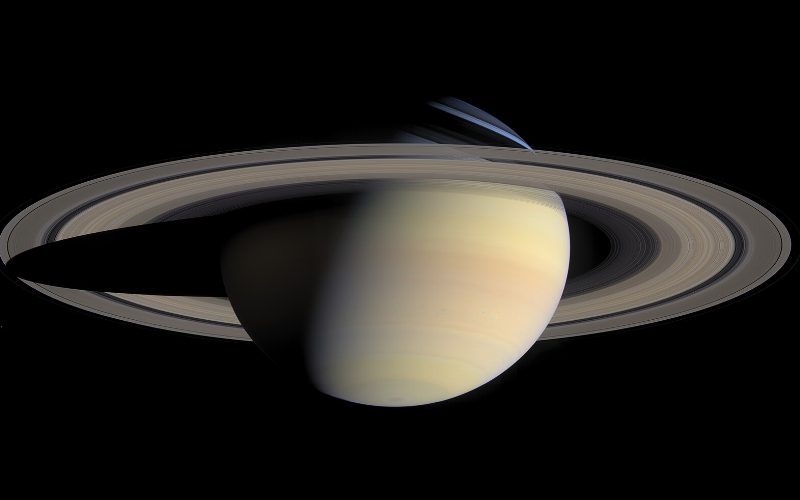
Will It Fit in Our Gym? Mobile Planetarium Space Requirements
The dome needs a 20×20-foot floor and a 12-foot ceiling. Here’s the two-minute facilities checklist.
The In-School Field Trip: No Buses, No Permission Slips
The destination comes to your gym. No buses, no permission slips, and every grade goes on the same day.
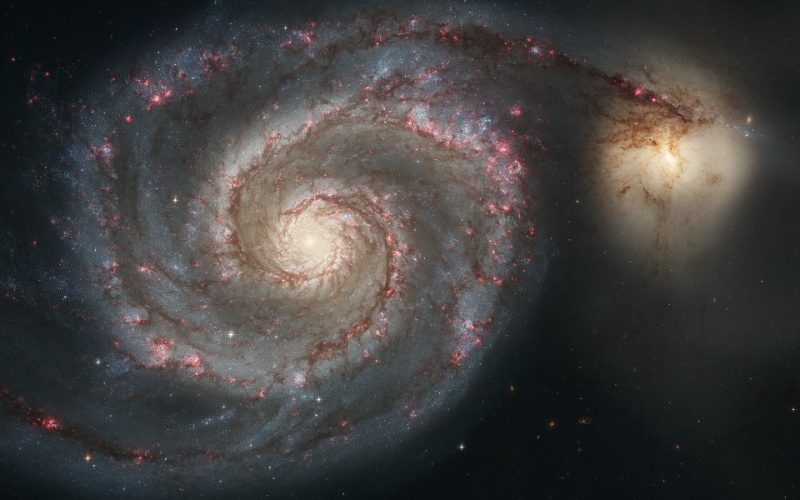
What Is a Mobile Planetarium?
What a mobile planetarium is, what shows up at your school, and what a 30-minute session actually looks like.
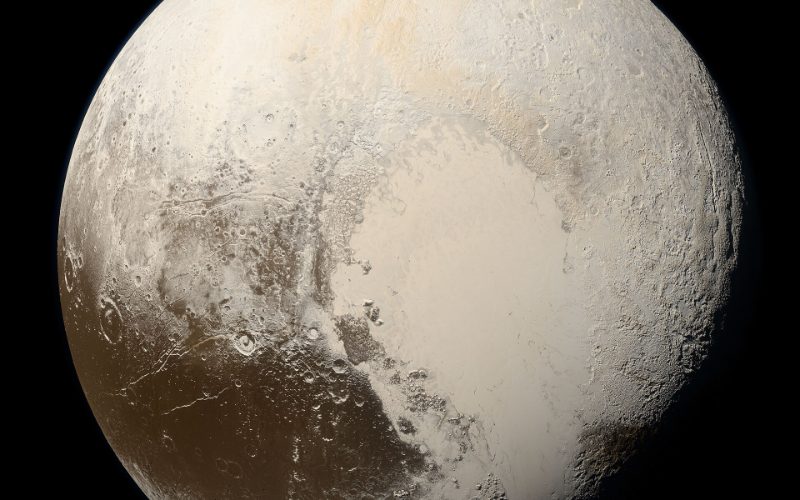
Top 10 kids’ space questions — answered!
How big is space? Is Pluto still a planet? Can you jump on the Moon? The questions we hear most in the dome.
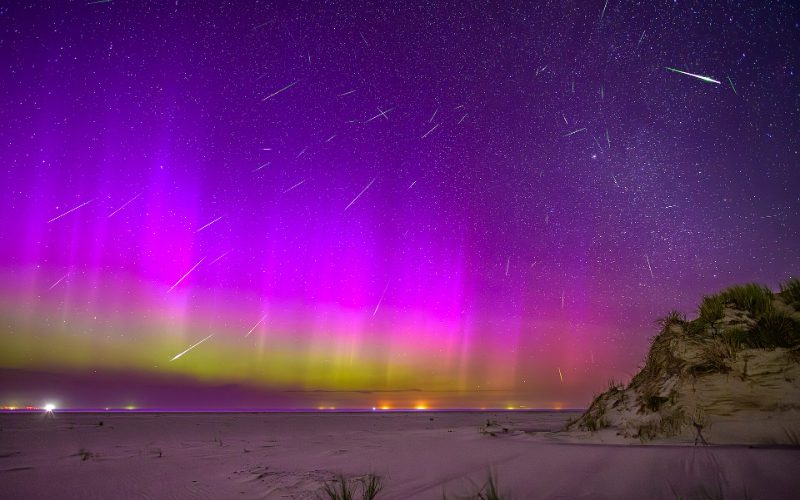
How to get kids excited about astronomy — without screens
Five screen-free ways to spark curiosity about space, from moon journals to made-up constellations.
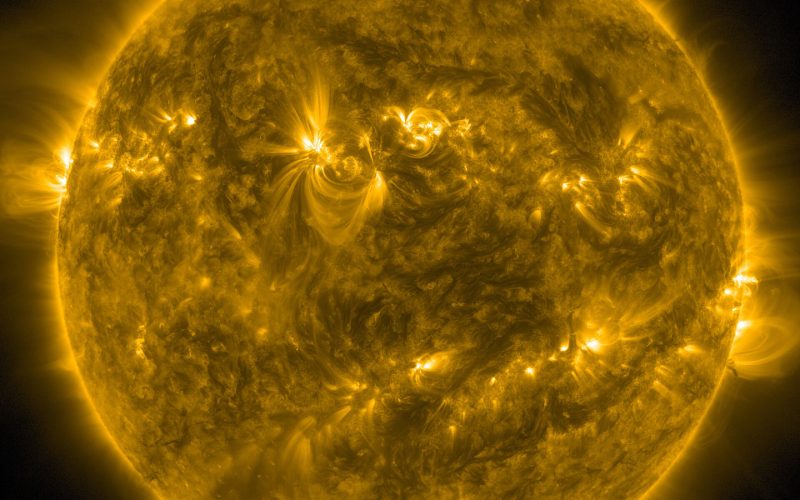
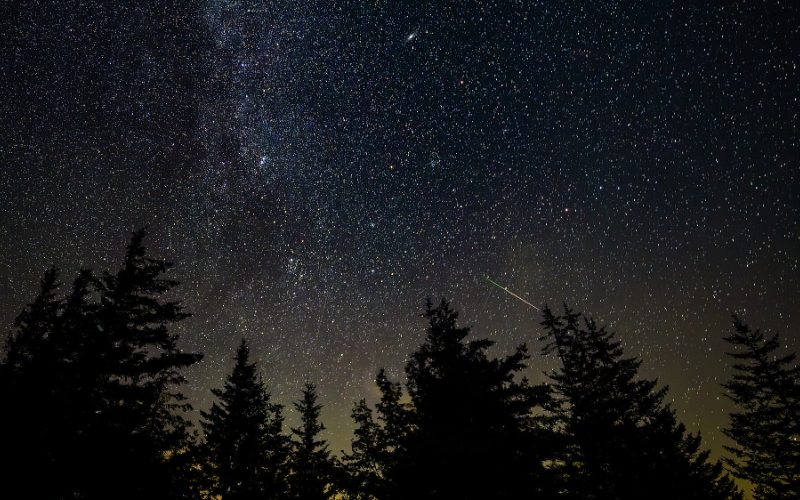
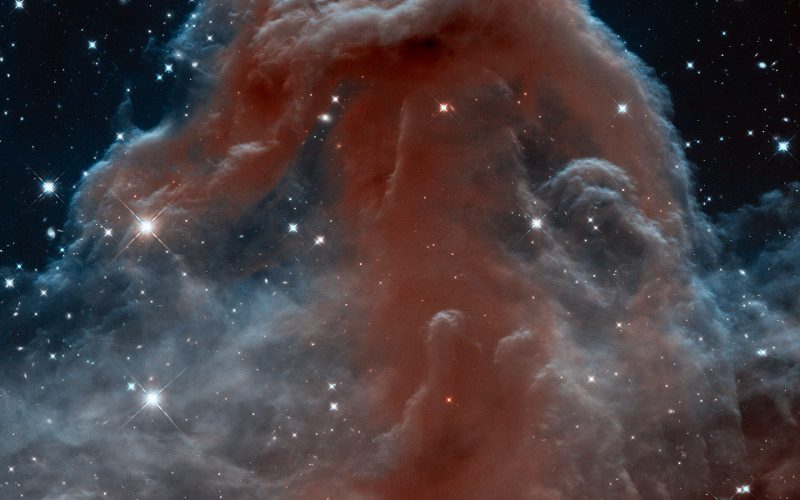
Card images: Milky Way Over Lac de Gaube — CUIZIANG (CC BY 4.0) · Earth at night from the ISS — NASA (Public domain) · Lunar Phases — David Warrington (CC BY 2.0) · The Pleiades — NASA, ESA, AURA/Caltech, Palomar Observatory (Public domain) · Full disk of the Sun — NASA/SDO and ALMA (ESO/NAOJ/NRAO) (CC BY 4.0) · Meteor Shower — NASA/Bill Ingalls (Public domain) · The Horsehead Nebula in infrared — NASA/ESA/Hubble Heritage Team (CC BY 4.0) · Hubble’s sharpest view of Mars — David Crisp and the WFPC2 Science Team (JPL/Caltech) (Public domain) · The Orion Constellation — Igor da Bari (CC BY 4.0) · Saturn from the Cassini orbiter — NASA/JPL/Space Science Institute (Public domain) · Full disk of Jupiter — NASA (Public domain) · The Whirlpool Galaxy (M51) — NASA and ESA (Public domain) · Pluto in true color — NASA/JHUAPL/SwRI (Public domain) · Aurora and Perseids — Stephan Sprinz (CC BY 4.0). Sourced from NASA, ESA/ESO and Wikimedia Commons.